
 Stephanie Karzon





What is Addiction (Substance Use Disorder)?
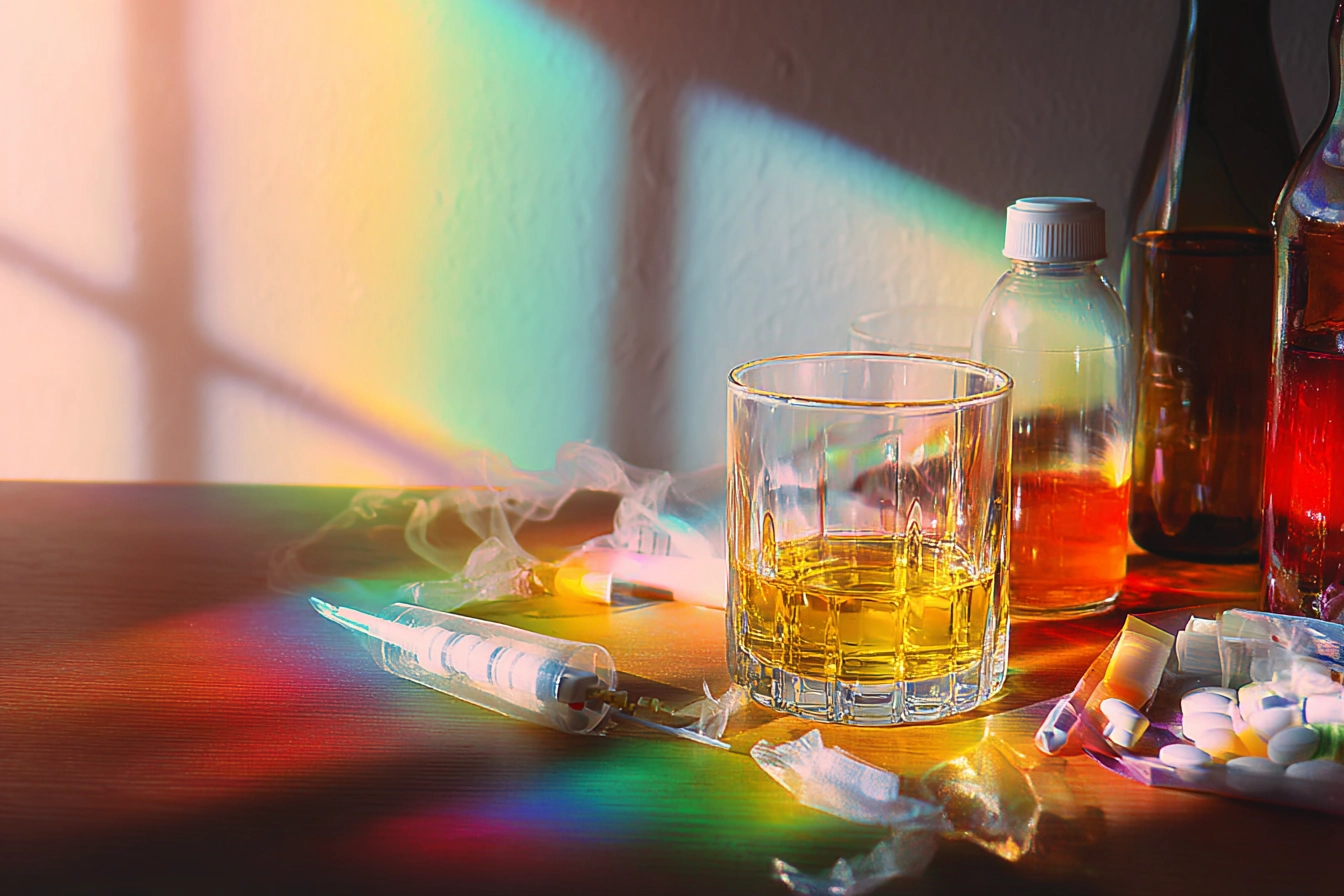
Addiction, often clinically referred to as substance use disorder (SUD), is a complex condition characterized by an individual’s inability to stop using a substance despite harmful consequences. SUDs can involve a wide range of substances, including alcohol, prescription medications, and illicit drugs. Addiction is recognized as a disorder of the brain due to the way substances alter neural pathways, resulting in compulsive behavior and significant impairment (1).
Substance use disorders are prevalent across the globe and represent a significant public health concern. According to the World Health Organization, around 35 million people worldwide suffer from drug use disorders. In the United States alone, approximately 20.4 million people aged 12 or older had a SUD in 2019, highlighting its widespread impact. Alcohol use disorder remains the most prevalent, affecting 14.1 million adults, followed closely by opioid use disorder, which has seen significant increases over the past decade (2, 3, 4).
The impact of addiction may extend to physical and mental health. Substance use can lead to a range of physical health problems, including liver disease, cardiovascular issues, respiratory failure, and overdose, which is one of the leading causes of preventable death. In addition, mental health is severely compromised, as addiction often coexists with conditions like anxiety, depression, and increased risk of suicide (1, 4).
Addiction also impacts families and society at large. Family members may experience emotional distress, financial strain, and disrupted relationships. Societally, the economic burden is immense; estimated at $740 billion annually in the United States due to healthcare costs, lost productivity, and crime (4).
Keep Up with Uncensored Psychedelic Trends
Join our newsletter at Psychedelics Uncensored.
We respect and protect your privacy. By subscribing your info will be subject to our privacy policy . Unsubscribe easily at any time

Are Psychedelics Good Tools for Addiction Treatment?
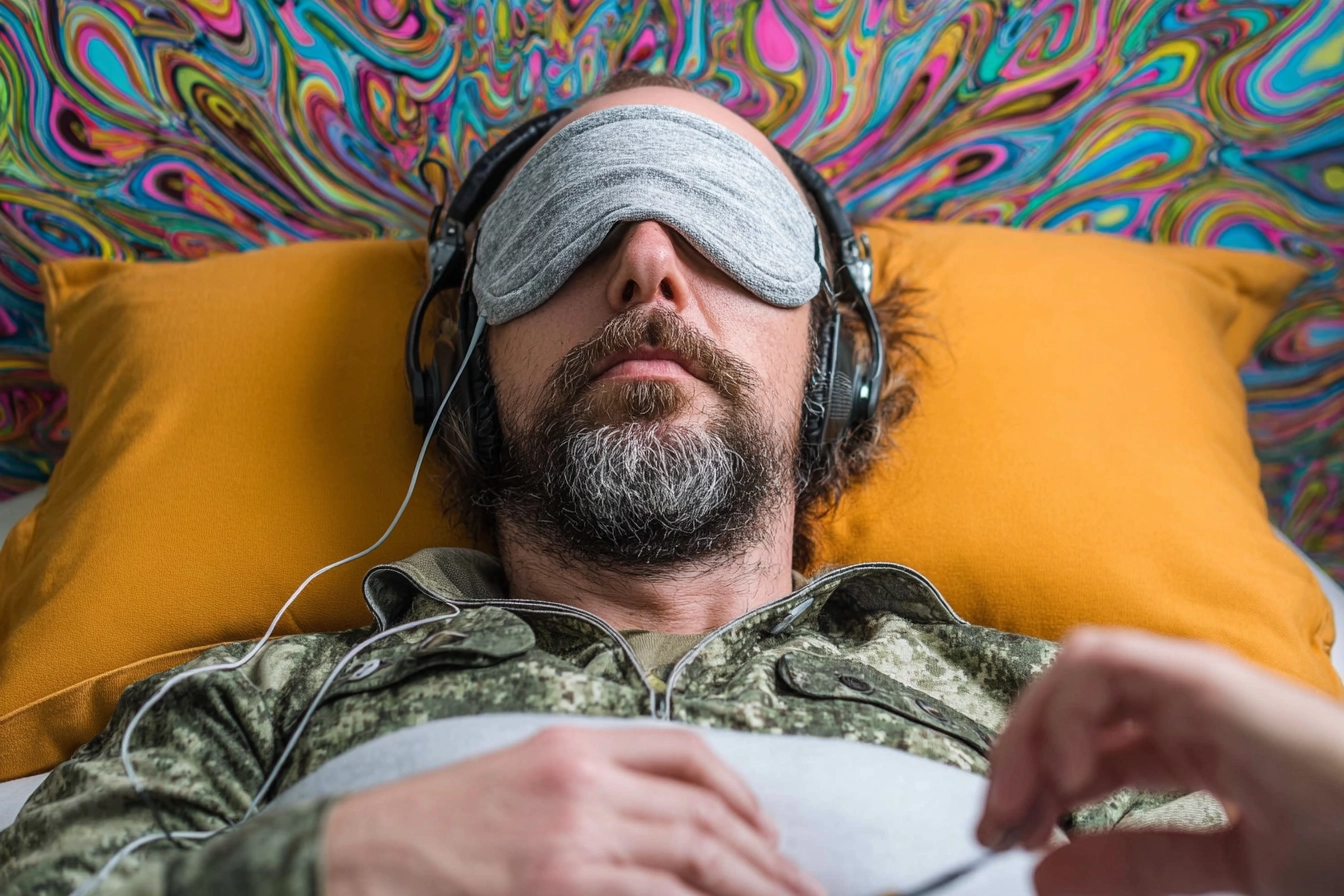
Psychedelics may serve as a potential treatment for addiction, offering a novel approach that targets the emotional, psychological, and neurochemical roots of substance use disorders. Substances like psilocybin and LSD, for example, are believed to disrupt habitual thought patterns and promote introspection, facilitating emotional healing. While ibogaine, the psychoactive alkaloid derived from the iboga plant, can also foster deep insight, it is also believed to help with addiction by modulating the brain’s dopaminergic and opioid systems, reducing withdrawal symptoms and cravings (5, 6).
Scientific studies indicate that psychedelic-assisted therapies may help reduce addiction. For instance, psilocybin, in combination with therapy, has shown promise in aiding smoking cessation and reducing alcohol dependence, with participants reporting significant decreases in substance use. Anecdotal evidence also points to how substances like ayahuasca or ibogaine have enabled people to confront underlying traumas, reduce withdrawal symptoms, and gain clarity to make positive changes (7, 8, 9).
However, limitations exist. Current research is largely based on small studies or anecdotal evidence, and the exact mechanisms of action are still under investigation. Risks such as adverse psychological reactions like anxiety or paranoia are also a concern. More rigorous research is needed, but with proper guidance, psychedelics could become an important tool in treating addiction, especially for those unresponsive to conventional methods (10).
Where Can You Find Psychedelic-Assisted Therapy For Addiction Treatment?

Ketamine-assisted therapy is legally available within the United States. In certain states like Oregon and Colorado, you can access Psilocybin therapy through service or healing centers. Additionally, if you are willing to travel outside of the United States, you can access psychedelic-assisted therapies in countries like Jamaica or Costa Rica, as well as Ibogaine therapy in legal clinics in Mexico.
Other forms of treatment may be found through clinical trials, or international retreat centers, where drug laws are different. To find vetted resources consult trusted directories such as this one from UC Berkeley.

How to Find Psychedelic Clinical Trials for Addiction
If you’re interested in participating in a clinical trial related to psychedelic therapy for addiction or other conditions, another great starting point is the website ClinicalTrials.gov. This is a comprehensive database where you can search for ongoing trials based on location, condition, or specific treatments, including psychedelic-assisted therapy.
Keep Up with Psychedelic Trends
Get uncensored psychedelic news, events, and updates. Join Psychedelics Uncensored!
We respect and protect your privacy. By subscribing your info will be subject to our privacy policy . Unsubscribe easily at any time
To sign up for a clinical trial, visit the site, enter relevant search terms like “psychedelics” or “addiction,” and browse through the list of available studies. Each study will provide details about the trial, including the purpose, eligibility criteria, location, and how to enroll. Some studies even offer compensation for participation and cover travel costs.
Use our tool to find clinical trails near you
Eligibility and Exclusions
It’s important to note that not everyone is eligible to participate in a clinical trial. Researchers have strict eligibility criteria to ensure participant safety and to produce accurate results. Some common factors that may make individuals ineligible include:
01
Comorbidities:
Individuals with certain chronic health conditions, such as cardiovascular disease or diabetes, may be excluded from trials involving psychedelics due to increased health risks (8).
02
Medications:
Many studies exclude participants who are on medications that interact negatively with psychedelics. For instance, individuals taking antidepressants, especially SSRIs, may not be eligible as these medications can reduce the efficacy of psychedelics or increase the risk of serotonin syndrome (10).
03
Mental Health Conditions:
While many trials focus on mental health, certain conditions like a history of schizophrenia, bipolar disorder, or psychosis may disqualify individuals from participation because of the potential for adverse reactions to psychedelic substances (11).
Before enrolling, it’s essential to thoroughly review the eligibility requirements of any study and consult with your healthcare provider to ensure that participation is safe for you.
Which Psychedelics Can Help With Addiction?
Psychedelics have shown promise in supporting recovery from addiction, with several specific compounds demonstrating potential in scientific research and anecdotal reports. This section provides a summary of the key psychedelics commonly explored in addiction treatment.
The classic psychedelics include substances such as psilocybin, DMT, LSD, and mescaline. Classic psychedelics, including lysergic acid diethylamide (LSD), psilocybin, mescaline, and N,N-dimethyltryptamine (DMT) are defined by their agonist activity at serotonin 5-HT2A receptors, as confirmed by the American Psychiatric Association (12). Psilocybin and DMT are classified as tryptamines, LSD as a lysergamide, and mescaline as a phenethylamine, with all primarily stimulating serotonin receptors in cortical and limbic regions (13, 14, 15). Unlike addictive substances, classic psychedelics do not produce compulsive self-administration, physical dependence, or withdrawal, and do not robustly activate mesolimbic dopamine pathways associated with drug reward (16,17,18). Instead, they modulate reward circuitry, supporting dopamine homeostasis or equilibrium, and reducing maladaptive signaling, which may underlie their low abuse potential (17, 19). Research, including randomized trials and systematic reviews, indicates potential anti-addictive effects, especially for alcohol use disorders, with psilocybin showing the most consistent benefit (20, 21). These therapeutic effects are thought to result from both neuroplastic changes and psychological insights gained during the psychedelic experience. Classic psychedelics do not stimulate rapid reward pathways in an addictive manner, supporting their emerging role in addiction treatment (17, 19, 20).
Ibogaine is considered effective in treating addiction because it acts on multiple neurobiological targets, including kappa opioid, NMDA, nicotinic acetylcholine, and serotonin receptors, resulting in reduced drug craving and withdrawal symptoms, and modulation of neurotrophic factors such as GDNF and BDNF that support long-term changes in reward circuitry (22, 23, 24, 25). Unlike addictive substances, ibogaine does not produce reinforcing behaviors or euphoria, and it acutely decreases dopamine release in the nucleus accumbens, the brain’s pleasure center, thereby interrupting the cycle of compulsive drug-seeking (23, 26).
Both ibogaine and classic psychedelics share a low abuse potential and anti-addictive properties, but ibogaine’s efficacy is attributed to its complex, multi-receptor pharmacology and neuroplastic effects, while classic psychedelics primarily modulate serotonin signaling and promote psychological insight (14, 17, 22, 24).
LSD for Alcohol Addiction
Although LSD is not regarded as an addictive substance, it can bind directly to dopamine (D2) receptors, suggesting it may have some reinforcing properties. LSD has also demonstrated anti-addictive effects when used to treat alcohol use disorders. This is thought to result from LSD’s ability to promote neuroplasticity and facilitate profound psychological insights, which together help disrupt maladaptive patterns of alcohol use and support lasting behavior change (14, 27, 28, 29). The long duration of LSD and mescaline experiences may contribute to their lower potential for addiction, as the rewarding effects unfold gradually over a longer period, unlike the rapid and intense effects associated with highly addictive substances such as cocaine, heroin, nicotine, or alcohol (21, 30, 31).
Thus, it seems that LSD can demonstrate both anti-addictive and reinforcing properties, further demonstrating the need for rigorous research.
Research & Anecdotal Reports
Some of the most influential LSD studies from the 1950s and ‘60s looking at LSD’s potential to help with addiction took place in Saskatchewan, Canada, where Humphry Osmond and Abram Hoffer led trials at the Weyburn Mental Hospital and the University Hospital in Saskatoon, exploring LSD’s therapeutic potential for alcoholism and other conditions (32). In the United States, Albert Kurland conducted parallel research at Spring Grove State Hospital near Baltimore, while the Allen Memorial Institute in Montreal—under Ewen Cameron, with some studies later revealed to be CIA-funded—also contributed to early investigations (32, 33).
These centers formed the core of mid-century psychedelic research, pioneering clinical approaches to LSD therapy before shifting regulations and cultural backlash in the late 1960s brought the work to an abrupt end (34).
These studies suggested that LSD-assisted therapy could reduce alcohol consumption and cravings. Studies from the Norwegian University of Science and Technology (NTNU) in Trondheim, Norway and the Imperial College London have indicated that LSD may facilitate emotional insights, improve self-awareness, and foster a sense of purpose, all of which are helpful in overcoming alcohol dependence (35, 36).
Efficacy Statistics
A meta-analysis of six randomized controlled trials involving LSD-assisted treatment for alcoholism found that a single dose of LSD, combined with therapy, significantly increased rates of abstinence and decreased relapse compared to placebo (36).
A 2024 meta-analysis found that LSD nearly doubled the odds of achieving abstinence or a major reduction in drinking compared to placebo at the first follow-up. Even when including less rigorously controlled trials in the analysis, the effect remained significant; patients receiving LSD-assisted therapy for alcohol use disorder were consistently more likely to reduce or stop drinking than those in control groups (37).
Another systematic review of clinical trials found that LSD produced a small but meaningful improvement in treating substance use disorders, with consistent results across studies, adding further support for its potential benefits (38). These results line up with an earlier analysis of six clinical trials showing that people with alcohol problems who received LSD were almost twice as likely to stop or significantly reduce their drinking compared to those who didn’t (35). In other words, LSD-assisted therapy was linked to a much higher chance of recovery, and the evidence suggests this wasn’t just a coincidence (35).
Side Effects
While LSD is generally well-tolerated, side effects can include temporary anxiety, perceptual changes, and, in rare cases, persisting perceptual disorders. Careful preparation and integration support are crucial to reduce the risks. It should also be noted that those with underlying mental health conditions should exercise extreme caution, as LSD can trigger psychosis or other psychological episodes (36).
Ibogaine for Opioid Addiction
Research & Anecdotal Reports
Ibogaine, a psychoactive compound derived from the root bark of the native west African plant Tabernanthe iboga, has been reported to help individuals break free from opioid addiction, both in terms of symptoms and brain chemistry. Anecdotal reports; personal stories from people who’ve taken ibogaine and observational studies, which track real-world outcomes without using control groups, both suggest that ibogaine can ease opioid withdrawal and cravings , offering a window of opportunity for individuals to make meaningful life changes (8, 39).
Efficacy Statistics
Studies indicate that ibogaine can effectively interrupt opioid dependence by working on several brain systems at once including opioid, NMDA, acetylcholine, and serotonin receptors, to quickly reduce withdrawal symptoms and cravings. Its metabolite, noribogaine, helps sustain these effects by balancing dopamine and serotonin in the brain’s reward pathways. Together, this broad action appears to reset the brain’s reward system, and studies suggest that many people experience weeks or even months without opioid cravings after a single treatment (23, 24, 40). Many users report experiencing weeks or even months without cravings following treatment, suggesting that ibogaine may provide a critical period of relief that supports long-term recovery efforts.
A study of opioid-dependent participants showed that a single ibogaine treatment resulted in significantly reduced withdrawal symptoms in more than 80% of cases (8).
In an observational study conducted in 2018, 30 individuals with opioid dependence received ibogaine administration which led to a significant reduction in subjective opioid withdrawal scores and 50% of participants reported no opioid use in the month following treatment. Improvements in drug use and psychosocial scores were sustained up to 12 months post-treatment (41).
Another study evaluated 50 participants undergoing ibogaine detoxification and found that 78% exhibited no objective signs of opioid withdrawal and 79% reported minimal cravings 48 hours after treatment. The results support ibogaine’s ability to facilitate opioid detoxification by acutely reducing withdrawal and craving symptoms (39).
A 2023 systematic review in Current Neuropharmacology also found evidence supporting ibogaine’s efficacy in opiate detoxification, with notable reductions in withdrawal and drug use, but highlighted cardiotoxicity risks and the need for further research (42).
Additionally, a 2024 open-label observational study in Addiction evaluated ibogaine administration in opioid-dependent patients and found that withdrawal and psychomimetic effects were generally well-tolerated and manageable, with most participants not returning to morphine within 24 hours after treatment (43).
Side Effects
Ibogaine treatment is associated with serious adverse effects, most notably cardiac arrhythmias, which make medical supervision essential during administration. The most common and dangerous cardiac complication is QT interval prolongation, which can lead to life-threatening arrhythmias such as torsades de pointes and, in some cases, cardiac arrest or sudden death (43, 44, 45, 46, 47, 48, 49, 50).Case series and toxicology reports have documented severe cardiotoxicity, including ventricular tachyarrhythmias, bradycardia, and cardiac arrest, even in individuals without pre-existing heart disease (45, 47, 48).
The risk of serious cardiac arrhythmias and sudden death with ibogaine necessitates careful medical supervision, including ECG monitoring and emergency preparedness, to mitigate potentially fatal complications.
Psilocybin for Tobacco and Alcohol Addiction
Research & Anecdotal Reports
Psilocybin, the active compound found in certain mushrooms, has demonstrated potential for treating tobacco and alcohol addiction. Participants in clinical trials have reported profound spiritual experiences that helped them reframe their relationships with addictive substances (6, 7).
Efficacy Statistics
In a clinical trial for smoking cessation at John Hopkins University, 80% of participants were abstinent at the six-month follow-up (6).
A 2025 study from the University of Kansas systematically reviewed eight studies, finding that psilocybin was the most frequently reported psychedelic for smoking cessation, with preliminary evidence supporting its therapeutic potential though most studies were limited by small sample sizes and risk of bias (51).
Bogenschutz et al. (2022) conducted a double-blind randomized clinical trial in 95 adults, showing that psilocybin-assisted psychotherapy led to a significantly lower percentage of heavy drinking days (9.7% vs 23.6% for placebo) over 32 weeks, with robust decreases in alcohol consumption and no serious adverse events (20).
Luquiens et al. (2025) conducted a feasibility randomized clinical trial, a preliminary study meant to assess whether a larger, full-scale trial is practical, in patients with both alcohol use disorder and depression. They found that two sessions of 25 mg psilocybin led to a 55% abstinence rate at 12 weeks, significantly higher than the control group, along with marked reductions in drinking days and cravings (52).
Side Effects
Psilocybin may cause nausea, anxiety, or challenging experiences during the session. However, these effects are often short-lived and can be managed in a supportive setting. Additionally, those with underlying mental health conditions, especially schizophrenia or a risk of psychosis, should be cautious before engaging with psilocybin, or any other psychedelic substance (6).
Ketamine for Alcohol and Cocaine Addiction
Research & Anecdotal Reports
Ketamine, a dissociative anesthetic and NMDA receptor antagonist, has shown growing promise in treating alcohol and cocaine addiction. Evidence from clinical trials and systematic reviews indicates that ketamine-assisted therapy (KAT) can increase abstinence rates, reduce cravings, and extend relapse-free periods in both alcohol use disorder (AUD) and cocaine use disorder (CUD) (53, 54, 55, 56, 57, 58, 59, 60, 61).
In AUD, randomized controlled trials and meta-analyses show that ketamine combined with psychotherapy, such as mindfulness-based relapse prevention or motivational enhancement therapy, leads to more days of abstinence and fewer heavy-drinking episodes compared to placebo or standard care (54, 56, 60).
In CUD, ketamine infusions have been linked to higher abstinence rates, reduced craving, and delayed relapse, with one RCT reporting a 53% lower relapse risk versus control (55, 57).
Mechanistically, ketamine’s effects appear to involve:
Typically administered in subanesthetic infusions paired with structured psychotherapy, KAT is well tolerated with no serious adverse events reported in recent trials (54, 56, 60).
Anecdotal and observational evidence further supports ketamine’s ability to interrupt addictive cycles and enhance motivation, though larger, long-term studies are still needed to confirm its efficacy and optimize protocols (53, 58, 59).
Efficacy Statistics
In studies involving alcohol use disorder, ketamine combined with psychotherapy led to increased abstinence rates and a reduction in heavy drinking days compared to the control group (61).
The most robust efficacy data come from a double-blind, placebo-controlled phase 2 trial with 96 participants in which three weekly intravenous ketamine infusions (0.8 mg/kg over 40 minutes) were paired with relapse prevention-based psychological therapy. At 6-month follow-up, the ketamine plus therapy group had a 15.9% greater percentage of days abstinent compared to the saline plus education group. When comparing all ketamine recipients to all placebo recipients, people who received ketamine (with or without psychotherapy) spent, on average, about 10% more days not drinking alcohol over six months compared to those who received a placebo. While the difference in confirmed relapse rates was not statistically significant, the combination of ketamine and psychotherapy produced the largest effect on abstinence (54).
A separate 40-person pilot trial, conducted in 2020, using a single ketamine infusion (0.71 mg/kg IV) during motivational enhancement therapy found that ketamine significantly increased the likelihood of daily abstinence, delayed time to relapse, and reduced heavy drinking days compared to midazolam control over a 21-day period. These effects were confirmed by both self-report and urine ethyl glucuronide testing (56).
Side Effects
Ketamine can cause dissociation, hallucinations, or increased heart rate and blood pressure. The experience is generally short-lasting, with most effects resolving within a few hours. Ketamine can have rewarding or reinforcing behaviors via the opioid system and its misuse can lead to addiction, neurocognitive problems and lower urinary tract symptoms (61, 66, 67, 68, 69, 70, 71).
Mescaline for Alcohol and Substance Use Disorders
Research & Anecdotal Reports
Mescaline, a naturally occurring psychedelic found in the Peyote and San Pedro cacti, as well as can also be synthesized in a lab. Current research on mescaline for alcohol use disorder (AUD) and other substance use disorders (SUDs is limited, with only low-level evidence supporting its safety and efficacy; most data come from observational studies, naturalistic use, and historical reports rather than modern randomized controlled trials.
Mescaline shares pharmacological mechanisms with other serotonergic psychedelics such as psilocybin and LSD (72). Systematic reviews and scoping reviews indicate that while classic psychedelics as a group show promise for reducing alcohol consumption and improving well-being, the most consistent and robust clinical data are for psilocybin and LSD, not mescaline (7, 16, 19, 21, 27, 37, 73, 74, 75). Specifically, a 2022 systematic review found that among classic psychedelics, psilocybin has the strongest evidence for efficacy in AUD, while data for mescaline are sparse and methodologically limited (21, 73).
Observational and cross-sectional studies suggest that naturalistic use of peyote/mescaline is associated with lower odds of substance use disorder compared to non-users, a pattern not seen with LSD or psilocybin (76). However, these findings may reflect differences in cultural context or patterns of use rather than direct pharmacological effects, and causality cannot be established.
Efficacy Statistics
There are currently no reliable efficacy statistics for mescaline in AUD or SUDs; the evidence base is limited to anecdotal and observational data, and further controlled clinical trials are needed to determine its true therapeutic potential (21, 77).
Naturalistic and epidemiological surveys indicate that mescaline use is associated with perceived improvements in mental health and reductions in substance use, but these findings are based on self-report and cannot establish causality or provide efficacy statistics such as abstinence rates or reduction in heavy drinking days (78, 79).
One survey from 2022 found that most respondents reported improvements in psychiatric conditions after mescaline use, but did not quantify changes in alcohol or drug use with validated measures (78).
Side Effects
Side effects of mescaline include nausea, vomiting, and visual distortions. Emotional discomfort can also occur but is usually manageable within a guided therapeutic context (77). Common psychological side effects include altered perception, euphoria, anxiety, paranoia, and, less frequently, challenging experiences such as dysphoria or panic. Flashbacks (transient re-experiencing of drug effects) are infrequent, reported in about 2% of administrations in clinical studies. Most users report positive or neutral psychological effects, especially in supportive environments (78, 80).
DMT and Ayahuasca for Addiction Recovery
Research & Anecdotal Reports
Ayahuasca, containing DMT as its active component, has been used traditionally for spiritual healing and has gained interest for its potential in treating addiction. Anecdotal accounts suggest that ayahuasca ceremonies provide users with transformative insights into the roots of their addictive behaviors, and the ability to break free of old patterning (81).
Current research and anecdotal evidence suggest that ayahuasca (which contains N,N-dimethyltryptamine, or DMT) may have therapeutic potential for addiction recovery in individuals with alcohol use disorder (AUD) and other substance use disorders (SUDs), but the evidence is primarily from observational studies, surveys, and preclinical models; robust randomized controlled trial data are lacking.
Systematic reviews and narrative syntheses indicate that ayahuasca use is associated with reductions in alcohol and drug use, improved mood, and enhanced well-being in both ritual and therapeutic contexts (82, 83, 84). Observational studies and large international surveys report that ayahuasca users experience less problematic drinking and greater well-being compared to other drug users, though these studies cannot establish causality (84). Naturalistic longitudinal studies show significant reductions in alcohol and cannabis use, depression, anxiety, and impulsivity one month after ayahuasca ceremonies, with improvements in self-efficacy and personality traits linked to better mental health (83). Preclinical animal studies demonstrate that ayahuasca and DMT can block alcohol self-administration and ethanol preference, with effects mediated by 5-HT2A receptor activation (85, 86).
The proposed mechanisms behind its efficacy include increased neuroplasticity, modulation of serotonin receptors, and psychological effects such as enhanced introspection, insight, and motivation for change (14, 87). These effects may help reduce relapse risk and support behavior change, but individual responses vary and the duration of benefit is not well established (21, 28).
Efficacy Statistics
Available data are primarily from observational studies, naturalistic longitudinal studies, and preclinical animal models, which suggest potential benefit but do not provide standardized abstinence rates or relapse reduction figures.
Observational studies and surveys conducted in the last few years report that ayahuasca users experience significant reductions in alcohol and drug use, depression, anxiety, and impulsivity one month after ceremonies, along with improvements in well-being and self-efficacy. For example, a naturalistic longitudinal study found wide-ranging improvements in mental health and reductions in alcohol and cannabis use at one month post-ayahuasca, but did not report specific abstinence rates or relapse statistics. The Ayahuasca Treatment Outcome Project (ATOP) reported significant improvements in alcohol and drug use severity, depression, anxiety, and quality of life at one year, but again did not provide standardized efficacy statistics such as abstinence or reduction in heavy drinking days (83, 84, 88).
Side Effects
Common side effects of ayahuasca include intense nausea, vomiting (often referred to as “purging”), and emotional distress during the ceremony, which are considered part of the therapeutic process. Anyone with a storied mental health history, family history of schizophrenia, or risk of psychosis may want to exercise caution before deciding to do ayahuasca (81).
5-MeO-DMT for Addiction Interruption
Research & Anecdotal Reports
5-MeO-DMT, a powerful entheogen that can be lab synthesized or found in the secretion of the Bufo alvarius (a.k.a. The Sonoran Desert toad ) is reported to help individuals with addiction by inducing a state of ego dissolution and providing transformative, often mystical experiences that change one’s relationship with themselves and unhealthy behavioral patterns that may involve substance use disorder (89). As a short-acting, potent serotonergic psychedelic acting primarily at 5-HT1A and 5-HT2A receptors, 5-MeO-DM may enhance psychological flexibility, mindfulness, and emotion regulation, and preclinical studies show it promotes neuroplasticity, anti-inflammatory effects, and downregulation of metabotropic glutamate receptor 5—all relevant to AUD and SUD (90, 91, 92).
Efficacy Statistics
There are limited formal studies on 5-MeO-DMT, but preliminary research and user surveys suggest that it may help reduce anxiety and depression, factors often associated with substance use relapse (89).
Survey and naturalistic studies report that a majority of individuals with psychiatric diagnoses—including AUD and other SUDs—experience improvements in symptoms after 5-MeO-DMT use. In one large survey, 66% of those with alcoholism and 60% with drug use disorder reported symptom improvement following 5-MeO-DMT exposure, with low rates of craving or problematic use (8%) (89). Other studies show single inhalations of 5-MeO-DMT (from toad secretion or synthetic sources) are associated with sustained improvements in life satisfaction, mindfulness, and reductions in depression, anxiety, and stress for up to four weeks (93,94).These effects are more pronounced in those who experience strong mystical or ego-dissolution experiences.
Side Effects
5-MeO-DMT can cause intense experiences, including a loss of motor control, altered perceptions of reality, and, in some cases, nausea, anxiety or panic during the experience. These effects are typically short-lived, lasting 20-30 minutes, but serious adverse events are rare in controlled environments (89, 95).
5-MeO-DMT is generally well tolerated in naturalistic and research settings, with most users reporting infrequent use, low craving, and rare adverse events. The compound appears to have a low potential for addiction (89, 96).
Different Types of Addiction
Addiction takes many forms, and includes both psychological and physiological symptoms, as well as relates to different degrees of dependence.
Alcohol Use Disorder
Alcohol use disorder (AUD) is characterized by the compulsive consumption of alcohol, leading to significant health and social consequences. Individuals with AUD are at higher risk for liver diseases such as cirrhosis, heart problems, weakened immune systems, and increased cancer risks. Mentally, AUD contributes to depression, anxiety, and cognitive impairments. In severe cases, alcohol withdrawal can cause life-threatening conditions like delirium tremens, a severe and potentially life-threatening form of alcohol withdrawal that causes sudden and intense confusion, hallucinations, tremors, and autonomic instability. Chronic alcohol use disrupts relationships, employment, and overall quality of life, reinforcing a cycle of dependency (1, 97, 98).
Drug Use Disorder
Drug use disorder (DUD) encompasses the misuse of illegal or prescription drugs, leading to a variety of health issues. Physical effects depend on the substance, but may include respiratory problems, cardiovascular damage, and neurological impairments. Psychologically, drug use can lead to paranoia, anxiety, depression, and in some cases, psychosis. Long-term use also leads to increased tolerance, which drives higher consumption and greater risk of overdose. Drug dependence is often associated with strained relationships, unemployment, and legal problems, further exacerbating the mental toll (3, 99, 100).
Cocaine Use Disorder
Cocaine use disorder involves the misuse of cocaine, a powerful stimulant that affects the central nervous system. Physically, cocaine use can lead to cardiovascular issues such as heart attacks and strokes, as well as respiratory failure and severe nasal damage in cases of snorting. Mentally, cocaine use is associated with heightened anxiety, paranoia, mood swings, and increased risk of suicidal thoughts. The drug’s highly addictive nature makes it difficult for users to quit, and the cycle of addiction often leads to social isolation and economic instability (101, 102).
Opioid Use Disorder
Opioid use disorder (OUD) includes the misuse of prescription painkillers and illicit opioids such as heroin. OUD is particularly dangerous due to its high potential for overdose, which can result in respiratory failure and death. Chronic opioid use also leads to gastrointestinal issues, weakened immune systems, and hormonal imbalances. Psychologically, individuals with OUD often experience depression, anxiety, and cognitive decline. The stigma and isolation associated with opioid addiction further intensify these mental health challenges, making recovery more difficult (103, 104, 105).
Psychedelic-Assisted Therapy for Specific Addictions
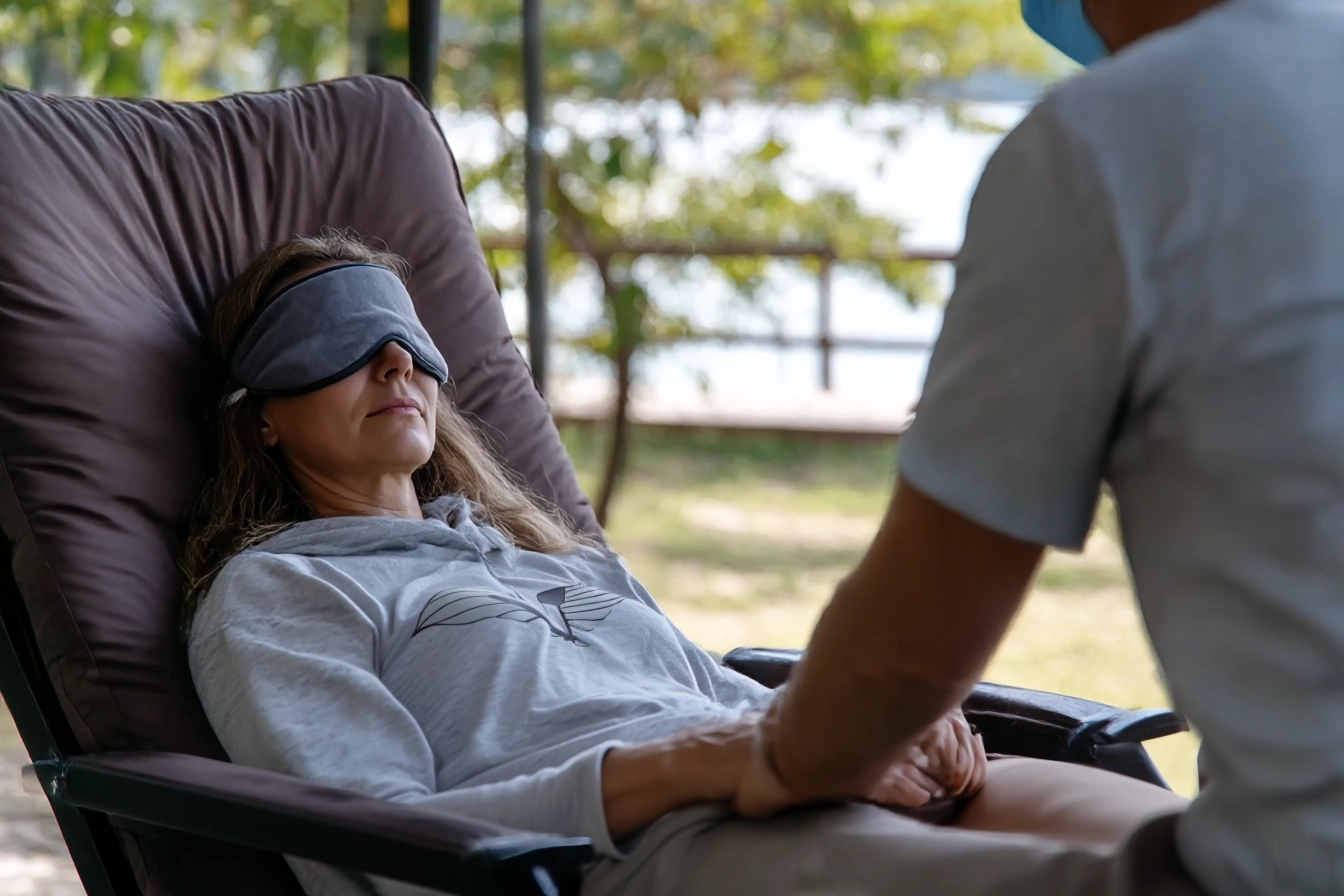
Psychedelic-assisted therapy (PAT) for addiction represents a groundbreaking approach to treating substance use disorders. Unlike conventional therapies that primarily focus on behavioral and pharmacological interventions, PAT involves the supervised use of psychedelic substances to facilitate deep psychological and emotional healing. These sessions typically combine the use of substances such as psilocybin, MDMA, LSD, or ibogaine with psychotherapeutic support, allowing patients to access altered states of consciousness where profound insights and emotional breakthroughs can occur. Through this process, individuals can confront the underlying causes of their addiction and reframe their relationship with substances (5).
The potential benefits of PAT are vast, with research suggesting it could offer advantages where traditional treatments have fallen short. Studies have shown that PAT may help reduce cravings, alleviate withdrawal symptoms, and support long-term sobriety by addressing the emotional and psychological drivers of addiction. Moreover, PAT has been associated with improvements in mood, self-awareness, and emotional processing, which are crucial for recovery. In this context, PAT not only aims to treat addiction but also fosters a holistic sense of well-being, enhancing both mental and physical health (7, 9).
PAT is also integral to the broader development of psychedelic therapies, which are gaining increasing attention in research settings and clinical trials. As regulatory barriers have shifted, a growing number of studies are exploring the efficacy of psychedelics in treating conditions like alcohol use disorder, opioid addiction, and tobacco dependence. These trials have produced promising results, with some patients experiencing significant and sustained reductions in substance use after just a few PAT sessions (10). While many of these therapies are still in the experimental phase, they represent a critical component of the future of addiction treatment and highlight the transformative potential of psychedelics in healthcare (106).
Comparing Psychedelics-Assisted Therapy for Addiction to Traditional Treatments
Psychedelic-assisted therapy (PAT) offers a distinct approach to addiction treatment compared to traditional methods, such as behavioral therapies (e.g., cognitive behavioral therapy) and pharmacological interventions (e.g., methadone or naltrexone for opioid use disorder). The primary difference lies in the therapeutic use of psychedelics to facilitate deep psychological and emotional healing, allowing patients to address the root causes of their addiction, rather than just managing symptoms. By helping individuals confront unresolved trauma, emotional pain, or existential distress, PAT fosters a holistic healing process that can lead to more sustained recovery (5).
Efficacy and Outcomes
Traditional addiction treatments generally focus on reducing substance use through behavioral changes and long-term maintenance with medications. For example, methadone maintenance treatment has been shown to reduce opioid use and improve social functioning in approximately 60-70% of patients. However, traditional treatments often require prolonged engagement and have variable success rates, particularly for alcohol and tobacco dependence, where relapse rates can be as high as 40-60% within the first year (107, 108).
In contrast, PAT leverages the therapeutic potential of altered states of consciousness to promote psychological breakthroughs. For instance, a key study on psilocybin-assisted therapy for smoking cessation found that 80% of participants remained abstinent after six months—significantly higher than the typical success rate of standard treatments, which averages around 30%. Another study on alcohol use disorder showed that 43% of patients treated with psilocybin reduced their alcohol consumption by 50% or more, compared to 24% in the control group receiving traditional therapy. These outcomes suggest that PAT may offer faster and more sustained recovery for some patients (106, 109).
Neuroplasticity and Mechanisms of Action
An additional advantage of PAT is its ability to enhance neuroplasticity, the brain’s capacity to reorganize itself by forming new neural connections. Neuroplasticity is crucial in recovery from addiction because it supports the rewiring of maladaptive thought patterns and behaviors. Psychedelics, when paired with therapy, have been shown to promote greater neuroplasticity than conventional drug therapies, which primarily focus on symptom management . For example, studies have indicated that psychedelics like psilocybin and LSD increase synaptic connections in the brain, fostering more flexible thinking and behavioral change. This enhanced neuroplasticity is believed to play a key role in helping individuals break free from addictive patterns, offering deeper and more lasting healing compared to traditional pharmacological interventions (110, 111).
Safety and Considerations
While traditional addiction treatments are well-established and generally considered safe when administered correctly, they can be associated with side effects such as sedation, nausea, and dependence on substitute medications. PAT, on the other hand, carries risks such as challenging psychological experiences (e.g., anxiety or paranoia) and the potential for serotonin syndrome when combined with certain other medications. The highest risk for serotonin syndrome occurs when a psychedelic is combined with an MAOI or when multiple serotonergic agents are used together. MAOIs (including those found in ayahuasca) can dangerously potentiate serotonin levels when combined with other serotonergic drugs (e.g., SSRIs, SNRIs, TCAs, or other antidepressants), leading to severe toxicity (112, 113, 114, 115). Psychedelics that do not contain MAOIs (e.g., psilocybin, LSD, mescaline, DMT, 5-MeO-DMT) generally pose a low risk for serotonin syndrome when used alone or with most antidepressants, but the risk increases with polypharmacy or overdose (116, 117).
In controlled clinical settings, these risks are typically well-managed, and adverse effects are rare (6, 11, 104).
Microdosing Psychedelics for Substance Use Disorder (SUD)
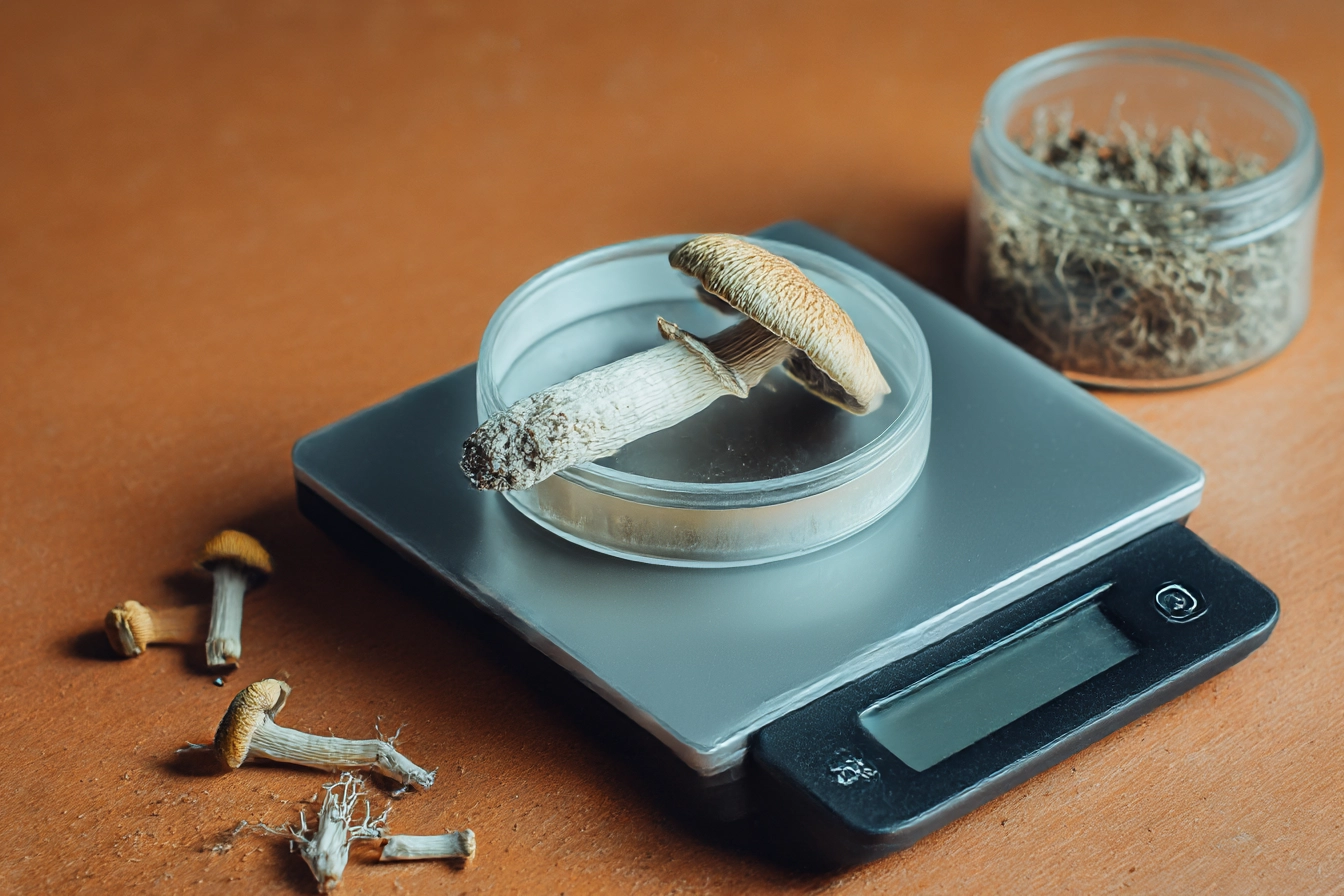
Microdosing, the practice of taking very small, sub-perceptual or sub-hallucinogenic doses of psychedelics, has gained attention as a potential tool for treating addiction. The doses are typically too low to produce full psychedelic effects, but proponents argue that they can still provide therapeutic benefits by subtly enhancing mood, focus, creativity, and emotional resilience. Although research on microdosing for addiction is still in its early stages, there are promising anecdotal reports and emerging studies suggesting its potential efficacy (118).
Anecdotal evidence has been particularly compelling in the case of microdosing psychedelics like LSD and psilocybin for treating addiction to substances such as alcohol, tobacco, and opioids. Individuals who microdose report improved emotional regulation, reduced cravings, and increased motivation for healthy behaviors, all of which are critical factors in overcoming addiction.
In a 2019 systematic observational study, 98 participants who microdosed psychedelics provided daily ratings over six weeks. The authors found general increases in psychological functioning on dosing days, reductions in depression and stress, lower distractibility, increased absorption, and increased neuroticism at study completion.
Recent peer-reviewed research has begun to systematically examine microdosing for SUDs. For example, a large international survey found that only 2% of microdosers reported using psychedelics specifically to reduce or cease substance use, and perceived improvements were highly variable and subjective.Among all microdosers, some perceived improvements in their substance use behaviors, but these effects were much less commonly reported than improvements in mood or anxiety. The same study found that 44% of respondents felt their mental health was “much better” as a consequence of microdosing, and some attributed this to reduced substance use (119).
Overall, the medical literature emphasizes that well-designed randomized controlled trials are needed to determine the safety and effectiveness of microdosing for SUDs (120). Microdosing may offer a novel approach for individuals seeking to manage addiction without the intense experiences associated with full-dose psychedelic therapy.
Safety, Risks, and Contraindications
As psychedelic-assisted therapy gains traction in clinical and research settings, understanding the safety, harm reduction practices, and potential contraindications is crucial. While many studies indicate that psychedelics can be beneficial in treating various conditions, they are not without risks. Ensuring proper medical and psychological screening, as well as adhering to harm reduction practices, is key to minimizing potential dangers associated with psychedelic use.
Medication and Drug Interactions (15, 112, 117, 121, 122, 123, 124, 125, 126)
Psychedelic substances—including psilocybin, LSD, DMT, mescaline, and 5-MeO-DMT—can interact with a range of medications, most notably serotonergic antidepressants, monoamine oxidase inhibitors (MAOIs), stimulants, antipsychotics, and certain anesthetic agents. The most clinically significant risks are serotonin syndrome, hypertensive crisis, and attenuation or potentiation of psychedelic effects.
Serotonergic antidepressants (SSRIs, SNRIs, TCAs):
Combining classic psychedelics like psilocybin, DMT and mescaline with SSRIs or SNRIs generally poses a low risk for serotonin syndrome, but rare cases have been reported, especially with high doses or polypharmacy. More commonly, SSRIs may attenuate the subjective effects of psychedelics, potentially reducing therapeutic efficacy, though some individuals report unchanged or even potentiated effects. Tricyclic antidepressants and other serotonergic agents may increase risk, particularly when combined with MAOIs or high doses of psychedelics (15, 112, 117, 121, 122, 123).
MAOIs (including those in ayahuasca):
Combining psychedelics with MAOIs significantly increases the risk of serotonin syndrome and hypertensive emergencies. This is especially relevant for ayahuasca (which contains MAOIs) and for patients prescribed pharmaceutical MAOIs. Case reports document hypertensive crisis and myocardial infarction when psilocybin mushrooms were combined with tranylcypromine and stimulants (15, 112, 123, 124).
Stimulants (e.g., amphetamines):
Co-administration with stimulants can increase the risk of cardiovascular complications, including hypertensive emergencies, tachycardia, and arrhythmias, particularly when combined with MAOIs or in patients with underlying cardiovascular disease (15, 123, 124, 125).
Antipsychotics and mood stabilizers:
Antipsychotics may blunt or block the effects of psychedelics due to antagonism at 5-HT2A receptors. Mood stabilizers and anxiolytics have variable interactions, with some reducing the intensity of psychedelic experiences (117, 121, 123).
Other interactions:
Adverse event data:
Serious adverse events (SAEs) are rare in controlled settings but can include serotonin syndrome, hypertensive crisis, psychosis, and seizures, particularly in patients with preexisting neuropsychiatric disorders or when combined with interacting medications. Nonserious adverse events (e.g., headache, anxiety, nausea) are more common but typically self-limited (126).
In summary, the most significant medication and drug interactions with psychedelics involve serotonergic agents (especially MAOIs), stimulants, and antipsychotics, with risks including serotonin syndrome, hypertensive crisis, and altered psychedelic effects. Careful medication review and risk assessment are essential before considering psychedelic therapy
Physical Health Considerations
Individuals with preexisting physical health conditions, particularly those affecting the heart and blood pressure, should exercise caution when considering psychedelics. Substances like LSD, MDMA, and Ketamine can raise heart rate and blood pressure, posing risks for those with cardiovascular issues. Furthermore, psychedelics like ibogaine, used experimentally to treat opioid addiction, have been associated with serious cardiac side effects, including arrhythmias (8, 104).
Those with liver or kidney disease should also be cautious with psychedelic substances, as these organs are responsible for metabolizing many of these substances. Poor organ function could increase the duration or intensity of the effects, leading to prolonged or uncomfortable experiences (104).
Mental Health Considerations
Psychedelics can be particularly risky for individuals with certain mental health conditions. Those with a personal or family history of psychotic disorders, such as schizophrenia or bipolar disorder, may be more prone to adverse psychological effects, including exacerbation of underlying conditions. Psychedelics can sometimes induce psychosis, even in individuals without a diagnosed disorder, particularly if taken in an uncontrolled setting or without proper screening (11).
While research has shown that psychedelics can alleviate depression and anxiety in some cases, they may also cause challenging psychological experiences, such as anxiety, paranoia, or traumatic memory recall during a session. Therefore, thorough mental health screening, preparation, and guidance is essential before embarking on psychedelic-assisted therapy.
Harm Reduction Practices
To ensure safer experiences, harm reduction practices are encouraged for both clinical and non-clinical psychedelic use. These include set and setting, which refers to the mental state (“set”) and physical environment (“setting”) during the experience. Being in a comfortable, safe environment with proper support can minimize the risk of negative psychological outcomes. Integrating the insights from the experience afterward, often with the help of a trained therapist, is also critical to ensuring long-term benefits (6, 7).
Additionally, using substances with known dosages, often through medical or research-grade sources, reduces the risks of taking unknown or impure substances. Pre-screening for contraindications such as preexisting mental or physical conditions is also necessary to avoid harmful effects.
Support and Resources For Adverse Psychedelic Events
If you or someone else is experiencing an adverse psychedelic event, it is essential to seek support immediately.
Fireside Project offers a free, confidential psychedelic peer support line, providing real-time assistance via phone or text (call 623-473-7433).
MAPS (Multidisciplinary Association for Psychedelic Studies) also offers valuable educational resources on harm reduction and managing challenging experiences. Grounding techniques such as deep breathing and having a trusted, sober guide nearby can also help mitigate distress. In emergencies, contacting a healthcare provider is crucial, especially if physical health or mental stability is at risk.
SAMHSA’s National Helpline is a free, confidential, 24/7, 365-day-a-year treatment referral and information service (in English and Spanish) for individuals and families facing mental and/or substance use disorders. 1-800-662-HELP (4357)
Sources

1. American Psychiatric Association. (2013). Diagnostic and statistical manual of mental disorders (5th ed.). APA Publishing.
2. World Health Organization. (2023). Substance use disorders. https://www.who.int
3. Substance Abuse and Mental Health Services Administration. (2020). Key substance use and mental health indicators in the United States: Results from the 2019 National Survey on Drug Use and Health. https://www.samhsa.gov/data/
4. National Institute on Drug Abuse. (2021). Trends & statistics. https://nida.nih.gov/research-topics/trends-statistics
5. Johnson, M. W., & Griffiths, R. R. (2017). Potential therapeutic effects of psilocybin. Neuropharmacology, 142, 210-216. https://doi.org/10.1016/j.neuropharm.2017.12.006
6. Johnson, M. W., Garcia-Romeu, A., & Griffiths, R. R. (2014). Long-term follow-up of psilocybin-facilitated smoking cessation. American Journal of Drug and Alcohol Abuse, 40(4), 269-272. https://doi.org/10.3109/00952990.2014.926612
7. Bogenschutz, M. P., & Johnson, M. W. (2016). Classic hallucinogens in the treatment of addictions. Progress in Neuro-Psychopharmacology & Biological Psychiatry, 64, 250-258. https://doi.org/10.1016/j.pnpbp.2015.03.002
8. Mash, D. C., Kovera, C. A., Pablo, J., Tyndale, R., Ervin, F. R., Kamlet, J. D., & Hearn, W. L. (2000). Ibogaine: Complex pharmacokinetics, concerns for safety, and preliminary efficacy measures. Annals of the New York Academy of Sciences, 914(1), 394-401. https://doi.org/10.1111/j.1749-6632.2000.tb05215.x
9. Nichols, D. E. (2016). Psychedelics. Pharmacological Reviews, 68(2), 264-355. https://doi.org/10.1124/pr.115.011478250-258. https://doi.org/10.1016/j.pnpbp.2015.03.002
10. Carhart-Harris, R. L., & Nutt, D. J. (2017). Serotonin and brain function: A tale of two receptors. Journal of Psychopharmacology, 31(9), 1091-1120. https://doi.org/10.1177/0269881117725915
11. Rucker, J. J. H., Iliff, J., & Nutt, D. J. (2018). Psychiatry & the psychedelic drugs. Past, present & future. Neuropharmacology, 142, 200–218. https://doi.org/10.1016/j.neuropharm.2017.12.04
12. Resource Document on Ethical and Practical Implications of Psychedelics in Psychiatry. Gregory S. Barber MD., Charles C. Dike MD MPH FRCPsych. American Psychiatric Association. (2022). https://www.psychiatry.org/getattachment/998071b6-138e-40d1-a482-e7b8e85d4f90/Resource-Document-Psychedelics-in-Psychiatry.pdf
13. Johnson, M. W., Hendricks, P. S., Barrett, F. S., & Griffiths, R. R. (2019). Classic psychedelics: An integrative review of epidemiology, therapeutics, mystical experience, and brain network function. Pharmacology & Therapeutics, 197, 83–102. https://doi.org/10.1016/j.pharmthera.2018.11.010
14. Dos Santos, R. G., & Hallak, J. E. C. (2020). Therapeutic use of serotoninergic hallucinogens: A review of the evidence and of the biological and psychological mechanisms. Neuroscience & Biobehavioral Reviews, 108, 423–434. https://doi.org/10.1016/j.neubiorev.2019.12.001
15. Holze, F., Liechti, M. E., & Müller, F. (2024). Pharmacological Properties of Psychedelics with a Special Focus on Potential Harms. Springer Berlin Heidelberg. https://doi.org/10.1007/7854_2024_510
16. DiVito, A. J., & Leger, R. F. (2020). Psychedelics as an emerging novel intervention in the treatment of substance use disorder: A review. Molecular Biology Reports, 47(12), 9791–9799. https://doi.org/10.1007/s11033-020-06009-x
17. Canal, C. E., & Murnane, K. S. (2017). The serotonin 5-HT2C receptor and the non-addictive nature of classic hallucinogens. Journal of Psychopharmacology, 31(1), 127–143. https://doi.org/10.1177/0269881116677104
18. Butler, J. J., Ricci, D., Aman, C., Beyeler, A., & De Deurwaerdère, P. (2024). Classical psychedelics’ action on brain monoaminergic systems. The International Journal of Biochemistry & Cell Biology, 176, 106669. https://doi.org/10.1016/j.biocel.2024.106669
19. Wittenkeller, L., Gudelsky, G., Winhusen, T. J., & Amato, D. (2025). Psychedelics as pharmacotherapeutics for substance use disorders: A scoping review on clinical trials and perspectives on underlying neurobiology. British Journal of Pharmacology, bph.70181. https://doi.org/10.1111/bph.70181
20. Bogenschutz, M. P., Ross, S., Bhatt, S., Baron, T., Forcehimes, A. A., Laska, E., Mennenga, S. E., O’Donnell, K., Owens, L. T., Podrebarac, S., Rotrosen, J., Tonigan, J. S., & Worth, L. (2022). Percentage of Heavy Drinking Days Following Psilocybin-Assisted Psychotherapy vs Placebo in the Treatment of Adult Patients With Alcohol Use Disorder: A Randomized Clinical Trial. JAMA Psychiatry, 79(10), 953. https://doi.org/10.1001/jamapsychiatry.2022.2096
21. Calleja‐Conde, J., Morales‐García, J. A., Echeverry‐Alzate, V., Bühler, K. M., Giné, E., & López‐Moreno, J. A. (2022). Classic psychedelics and alcohol use disorders: A systematic review of human and animal studies. Addiction Biology, 27(6), e13229. https://doi.org/10.1111/adb.13229
22. Köck, P., Froelich, K., Walter, M., Lang, U., & Dürsteler, K. M. (2022). A systematic literature review of clinical trials and therapeutic applications of ibogaine. Journal of Substance Abuse Treatment, 138, 108717. https://doi.org/10.1016/j.jsat.2021.108717
23. Glick, S. D., & Maisonneuve, I. M. (1998). Mechanisms of Antiaddictive Actions of Ibogaine^a. Annals of the New York Academy of Sciences, 844(1), 214–226. https://doi.org/10.1111/j.1749-6632.1998.tb08237.x
24. Ona, G., Reverte, I., Rossi, G. N., Dos Santos, R. G., Hallak, J. E., Colomina, M. T., & Bouso, J. C. (2023). Main targets of ibogaine and noribogaine associated with its putative anti-addictive effects: A mechanistic overview. Journal of Psychopharmacology, 37(12), 1190–1200. https://doi.org/10.1177/02698811231200882
25. Marton, S., González, B., Rodríguez-Bottero, S., Miquel, E., Martínez-Palma, L., Pazos, M., Prieto, J. P., Rodríguez, P., Sames, D., Seoane, G., Scorza, C., Cassina, P., & Carrera, I. (2019). Ibogaine Administration Modifies GDNF and BDNF Expression in Brain Regions Involved in Mesocorticolimbic and Nigral Dopaminergic Circuits. Frontiers in Pharmacology, 10, 193. https://doi.org/10.3389/fphar.2019.00193
26. Wasko, M. J., Witt-Enderby, P. A., & Surratt, C. K. (2018). DARK Classics in Chemical Neuroscience: Ibogaine. ACS Chemical Neuroscience, 9(10), 2475–2483. https://doi.org/10.1021/acschemneuro.8b00294
27. Miller, E. A., Capone, C., Eaton, E., Swift, R. M., & Haass-Koffler, C. L. (2025). Psychedelics for Alcohol Use Disorder: A Narrative Review with Candidate Mechanisms of Action. CNS Drugs, 39(9), 843–864. https://doi.org/10.1007/s40263-025-01199-z
28. Lodetti, G., De Bitencourt, R. M., & Rico, E. P. (2024). Classic psychedelics and the treatment for alcoholism. Progress in Neuro-Psychopharmacology and Biological Psychiatry, 135, 111129. https://doi.org/10.1016/j.pnpbp.2024.111129
29. Omidian, H., & Omidian, A. (2025). Clinical Research on Lysergic Acid Diethylamide (LSD) in Psychiatry and Neuroscience. Pharmaceuticals, 18(4), 499. https://doi.org/10.3390/ph18040499
30. Holze, F., Singh, N., Liechti, M. E., & D’Souza, D. C. (2024). Serotonergic Psychedelics: A Comparative Review of Efficacy, Safety, Pharmacokinetics, and Binding Profile. Biological Psychiatry: Cognitive Neuroscience and Neuroimaging, 9(5), 472–489. https://doi.org/10.1016/j.bpsc.2024.01.007
31. Kanen, J. W., Luo, Q., Rostami Kandroodi, M., Cardinal, R. N., Robbins, T. W., Nutt, D. J., Carhart-Harris, R. L., & Den Ouden, H. E. M. (2023). Effect of lysergic acid diethylamide (LSD) on reinforcement learning in humans. Psychological Medicine, 53(14), 6434–6445. https://doi.org/10.1017/S0033291722002963
32. Dyck, E. (2005). Flashback: Psychiatric Experimentation with LSD in Historical Perspective. The Canadian Journal of Psychiatry, 50(7), 381–388. https://doi.org/10.1177/070674370505000703
33. Bonson, K. R. (2018). Regulation of human research with LSD in the United States (1949-1987). Psychopharmacology, 235(2), 591–604. https://doi.org/10.1007/s00213-017-4777-4
34. Hall, W. (2022). Why was early therapeutic research on psychedelic drugs abandoned? Psychological Medicine, 52(1), 26–31. https://doi.org/10.1017/S0033291721004207
35. Krebs, T. S., & Johansen, P.-Ø. (2012). Lysergic acid diethylamide (LSD) for alcoholism: Meta-analysis of randomized controlled trials. Journal of Psychopharmacology, 26(7), 994–1002. https://doi.org/10.1177/0269881112439253
36. Carhart-Harris, R. L., Kaelen, M., Whalley, M. G., Bolstridge, M., Feilding, A., & Nutt, D. J. (2015). LSD enhances suggestibility in healthy volunteers. Psychopharmacology, 232(4), 785–794. https://doi.org/10.1007/s00213-014-3714-z
37. Sicignano, D., Hernandez, A. V., Schiff, B., Elmahy, N., & White, C. M. (2024). The impact of psychedelics on patients with alcohol use disorder: A systematic review with meta-analysis. Current Medical Research and Opinion, 40(2), 293–302. https://doi.org/10.1080/03007995.2023.2296968
38. Fernandes-Nascimento, M. H., Weber, P., & Negrão, A. B. (2025). Efficacy and Safety of LSD in the treatment of mental and substance use disorders: A systematic review of randomized controlled trials. Psychiatry Research, 351, 116622. https://doi.org/10.1016/j.psychres.2025.116622
39. Malcolm, B. J., Polanco, M., & Barsuglia, J. P. (2018). Changes in Withdrawal and Craving Scores in Participants Undergoing Opioid Detoxification Utilizing Ibogaine. Journal of Psychoactive Drugs, 50(3), 256–265. https://doi.org/10.1080/02791072.2018.1447175
40. Mash, D. C. (2023). IUPHAR – invited review—Ibogaine – A legacy within the current renaissance of psychedelic therapy. Pharmacological Research, 190, 106620. https://doi.org/10.1016/j.phrs.2022.106620
41. Brown, T. K., & Alper, K. (2018). Treatment of opioid use disorder with ibogaine: Detoxification and drug use outcomes. The American Journal of Drug and Alcohol Abuse, 44(1), 24–36. https://doi.org/10.1080/00952990.2017.1320802
42. Mosca, A., Chiappini, S., Miuli, A., Mancusi, G., Santovito, M. C., Di Carlo, F., Pettorruso, M., Corkery, J. M., Canessa, C., Martinotti, G., & Di Giannantonio, M. (2023). Ibogaine/Noribogaine in the Treatment of Substance Use Disorders: A Systematic Review of the Current Literature. Current Neuropharmacology, 21(11), 2178–2194. https://doi.org/10.2174/1570159X21666221017085612
43. Knuijver, T., Schellekens, A., Belgers, M., Donders, R., Van Oosteren, T., Kramers, K., & Verkes, R. (2022). Safety of ibogaine administration in detoxification of opioid‐dependent individuals: A descriptive open‐label observational study. Addiction, 117(1), 118–128. https://doi.org/10.1111/add.15448
44. Ona, G., Rocha, J. M., Bouso, J. C., Hallak, J. E. C., Borràs, T., Colomina, M. T., & Dos Santos, R. G. (2022). The adverse events of ibogaine in humans: An updated systematic review of the literature (2015–2020). Psychopharmacology, 239(6), 1977–1987. https://doi.org/10.1007/s00213-021-05964-y
45. Edwards, E. P., Gray, L. A., Elamin, M. E. M. O., Veiraiah, A., Thanacoody, R. H. K., & Coulson, J. M. (2025). A case series of ibogaine toxicity reported to the United Kingdom National Poisons Information Service (NPIS) over a 10-year period. Clinical Toxicology, 63(3), 212–216. https://doi.org/10.1080/15563650.2024.2447500
46. Koenig, X., & Hilber, K. (2015). The Anti-Addiction Drug Ibogaine and the Heart: A Delicate Relation. Molecules, 20(2), 2208–2228. https://doi.org/10.3390/molecules20022208
47. Grogan, J., Gerona, R., Snow, J. W., & Kao, L. (2019). Ibogaine Consumption With Seizure-Like Episodes, QTc-Prolongation, and Captured Cardiac Dysrhythmias. The Journal of Emergency Medicine, 57(4), e99–e104. https://doi.org/10.1016/j.jemermed.2019.06.052
48. Litjens, R. P. W., & Brunt, T. M. (2016). How toxic is ibogaine? Clinical Toxicology, 54(4), 297–302. https://doi.org/10.3109/15563650.2016.1138226
49. Thurner, P., Stary-Weinzinger, A., Gafar, H., Gawali, V. S., Kudlacek, O., Zezula, J., Hilber, K., Boehm, S., Sandtner, W., & Koenig, X. (2014). Mechanism of hERG Channel Block by the Psychoactive Indole Alkaloid Ibogaine. The Journal of Pharmacology and Experimental Therapeutics, 348(2), 346–358. https://doi.org/10.1124/jpet.113.209643
50. Koenig, X., Kovar, M., Rubi, L., Mike, A. K., Lukacs, P., Gawali, V. S., Todt, H., Hilber, K., & Sandtner, W. (2013). Anti-addiction drug ibogaine inhibits voltage-gated ionic currents: A study to assess the drug’s cardiac ion channel profile. Toxicology and Applied Pharmacology, 273(2), 259–268. https://doi.org/10.1016/j.taap.2013.05.012
51. Glenn, D. L., Choi, S. H., & Zimmerman, R. S. (2025). A systematic review and narrative summary of the therapeutic potential of classic serotonergic psychedelics for smoking cessation and reduction. Journal of Psychopharmacology, 39(9), 930–939. https://doi.org/10.1177/02698811251353251
52. Luquiens, A., Belahda, D., Graux, C., Igounenc, N., Serrand, C., Rochefort, P., Mura, T., & Sergent, F. (2025). Psilocybin in alcohol use disorder and comorbid depressive symptoms: Results from a feasibility randomized clinical trial. Addiction, add.70152. https://doi.org/10.1111/add.70152
53. Jones, J. L., Mateus, C. F., Malcolm, R. J., Brady, K. T., & Back, S. E. (2018). Efficacy of Ketamine in the Treatment of Substance Use Disorders: A Systematic Review. Frontiers in Psychiatry, 9, 277. https://doi.org/10.3389/fpsyt.2018.00277
54. Grabski, M., McAndrew, A., Lawn, W., Marsh, B., Raymen, L., Stevens, T., Hardy, L., Warren, F., Bloomfield, M., Borissova, A., Maschauer, E., Broomby, R., Price, R., Coathup, R., Gilhooly, D., Palmer, E., Gordon-Williams, R., Hill, R., Harris, J., … Morgan, C. J. A. (2022). Adjunctive Ketamine With Relapse Prevention–Based Psychological Therapy in the Treatment of Alcohol Use Disorder. American Journal of Psychiatry, 179(2), 152–162. https://doi.org/10.1176/appi.ajp.2021.21030277
55. Dakwar, E., Nunes, E. V., Hart, C. L., Foltin, R. W., Mathew, S. J., Carpenter, K. M., Choi, C. J. “Jean,” Basaraba, C. N., Pavlicova, M., & Levin, F. R. (2019). A Single Ketamine Infusion Combined With Mindfulness-Based Behavioral Modification to Treat Cocaine Dependence: A Randomized Clinical Trial. American Journal of Psychiatry, 176(11), 923–930. https://doi.org/10.1176/appi.ajp.2019.18101123
56. Dakwar, E., Levin, F., Hart, C. L., Basaraba, C., Choi, J., Pavlicova, M., & Nunes, E. V. (2020). A Single Ketamine Infusion Combined With Motivational Enhancement Therapy for Alcohol Use Disorder: A Randomized Midazolam-Controlled Pilot Trial. American Journal of Psychiatry, 177(2), 125–133. https://doi.org/10.1176/appi.ajp.2019.19070684
57. Gao, Z., Winhusen, T. J., Gorenflo, M., Ghitza, U. E., Davis, P. B., Kaelber, D. C., & Xu, R. (2023). Repurposing ketamine to treat cocaine use disorder: Integration of artificial intelligence‐based prediction, expert evaluation, clinical corroboration and mechanism of action analyses. Addiction, 118(7), 1307–1319. https://doi.org/10.1111/add.16168
58. Goldfine, C. E., Tom, J. J., Im, D. D., Yudkoff, B., Anand, A., Taylor, J. J., Chai, P. R., & Suzuki, J. (2023). The therapeutic use and efficacy of ketamine in alcohol use disorder and alcohol withdrawal syndrome: A scoping review. Frontiers in Psychiatry, 14, 1141836. https://doi.org/10.3389/fpsyt.2023.1141836
59. Garel, N., McAnulty, C., Greenway, K. T., Lesperance, P., Miron, J.-P., Rej, S., Richard-Devantoy, S., & Jutras-Aswad, D. (2022). Efficacy of ketamine intervention to decrease alcohol use, cravings, and withdrawal symptoms in adults with problematic alcohol use or alcohol use disorder: A systematic review and comprehensive analysis of mechanism of actions. Drug and Alcohol Dependence, 239, 109606. https://doi.org/10.1016/j.drugalcdep.2022.109606
60. Rathore, B. S., Singh, S., Gupta, M., & Verma, P. (2025). Safety and efficacy of ketamine for the treatment of patients with alcohol use disorder: A systematic review. The American Journal of Drug and Alcohol Abuse, 51(5), 563–576. https://doi.org/10.1080/00952990.2025.2535559
61. Dakwar, E., Levin, F., Foltin, R. W., Nunes, E. V., & Hart, C. L. (2014). The Effects of Subanesthetic Ketamine Infusions on Motivation to Quit and Cue-Induced Craving in Cocaine-Dependent Research Volunteers. Biological Psychiatry, 76(1), 40–46. https://doi.org/10.1016/j.biopsych.2013.08.009
62. Ivan Ezquerra-Romano, I., Lawn, W., Krupitsky, E., & Morgan, C. J. A. (2018). Ketamine for the treatment of addiction: Evidence and potential mechanisms. Neuropharmacology, 142, 72–82. https://doi.org/10.1016/j.neuropharm.2018.01.017
63. Das, R. K., Gale, G., Walsh, K., Hennessy, V. E., Iskandar, G., Mordecai, L. A., Brandner, B., Kindt, M., Curran, H. V., & Kamboj, S. K. (2019). Ketamine can reduce harmful drinking by pharmacologically rewriting drinking memories. Nature Communications, 10(1), 5187. https://doi.org/10.1038/s41467-019-13162-w
64. Joneborg, I., Lee, Y., Di Vincenzo, J. D., Ceban, F., Meshkat, S., Lui, L. M. W., Fancy, F., Rosenblat, J. D., & McIntyre, R. S. (2022). Active mechanisms of ketamine-assisted psychotherapy: A systematic review. Journal of Affective Disorders, 315, 105–112. https://doi.org/10.1016/j.jad.2022.07.030
65. Worrell, S. D., & Gould, T. J. (2021). Therapeutic potential of ketamine for alcohol use disorder. Neuroscience & Biobehavioral Reviews, 126, 573–589. https://doi.org/10.1016/j.neubiorev.2021.05.006
66. Wilkinson, S. T., Ballard, E. D., Bloch, M. H., Mathew, S. J., Murrough, J. W., Feder, A., Sos, P., Wang, G., Zarate, C. A., & Sanacora, G. (2018). The Effect of a Single Dose of Intravenous Ketamine on Suicidal Ideation: A Systematic Review and Individual Participant Data Meta-Analysis. American Journal of Psychiatry, 175(2), 150–158. https://doi.org/10.1176/appi.ajp.2017.17040472
67. Bahji, A., Vazquez, G. H., & Zarate, C. A. (2021). Comparative efficacy of racemic ketamine and esketamine for depression: A systematic review and meta-analysis. Journal of Affective Disorders, 278, 542–555. https://doi.org/10.1016/j.jad.2020.09.071
68. Bahji, A., Zarate, C. A., & Vazquez, G. H. (2021). Ketamine for Bipolar Depression: A Systematic Review. International Journal of Neuropsychopharmacology, 24(7), 535–541. https://doi.org/10.1093/ijnp/pyab023
69. Johnston, J. N., Henter, I. D., & Zarate, C. A. (2023). The antidepressant actions of ketamine and its enantiomers. Pharmacology & Therapeutics, 246, 108431. https://doi.org/10.1016/j.pharmthera.2023.108431
70. Chang, T., Lin, C., Lin, A. T., Fan, Y., & Chen, K. (2012). Ketamine‐Induced Uropathy: A New Clinical Entity Causing Lower Urinary Tract Symptoms. LUTS: Lower Urinary Tract Symptoms, 4(1), 19–24. https://doi.org/10.1111/j.1757-5672.2011.00101.x
71. Pal, R., Balt, S., Erowid, E., Erowid, F., Baggott, M. J., Mendelson, J., & Galloway, G. P. (2013). Ketamine is associated with lower urinary tract signs and symptoms. Drug and Alcohol Dependence, 132(1–2), 189–194. https://doi.org/10.1016/j.drugalcdep.2013.02.005
72. Vamvakopoulou, I. A., Narine, K. A. D., Campbell, I., Dyck, J. R. B., & Nutt, D. J. (2023). Mescaline: The forgotten psychedelic. Neuropharmacology, 222, 109294. https://doi.org/10.1016/j.neuropharm.2022.109294
73. Wong, S., Yu, A. Y., Fabiano, N., Finkelstein, O., Pasricha, A., Jones, B. D. M., Rosenblat, J. D., Blumberger, D. M., Mulsant, B. H., & Husain, M. I. (2024). Beyond Psilocybin: Reviewing the Therapeutic Potential of Other Serotonergic Psychedelics in Mental and Substance Use Disorders. Journal of Psychoactive Drugs, 56(4), 513–529. https://doi.org/10.1080/02791072.2023.2251133
74. DuPont, C. M., & Johnson, M. W. (2025). Psychedelics and substance use disorder treatment. In International Review of Neurobiology (Vol. 181, pp. 305–327). Elsevier. https://doi.org/10.1016/bs.irn.2025.03.005
75. Sharma, R., Batchelor, R., & Sin, J. (2023). Psychedelic Treatments for Substance Use Disorder and Substance Misuse: A Mixed Methods Systematic Review. Journal of Psychoactive Drugs, 55(5), 612–630. https://doi.org/10.1080/02791072.2023.2190319
76. Rabinowitz, J., Lev-Ran, S., & Gross, R. (2023). The association between naturalistic use of psychedelics and co-occurring substance use disorders. Frontiers in Psychiatry, 13, 1066369. https://doi.org/10.3389/fpsyt.2022.1066369
77. Winkelman, M. (2015). Psychedelics as Medicines for Substance Abuse Rehabilitation: Evaluating Treatments with LSD, Peyote, Ibogaine and Ayahuasca. Current Drug Abuse Reviews, 7(2), 101–116. https://doi.org/10.2174/1874473708666150107120011
78. Uthaug, M. V., Davis, A. K., Haas, T. F., Davis, D., Dolan, S. B., Lancelotta, R., Timmermann, C., & Ramaekers, J. G. (2022). The epidemiology of mescaline use: Pattern of use, motivations for consumption, and perceived consequences, benefits, and acute and enduring subjective effects. Journal of Psychopharmacology, 36(3), 309–320. https://doi.org/10.1177/02698811211013583
79. Garcia-Romeu, A., Davis, A. K., Erowid, F., Erowid, E., Griffiths, R. R., & Johnson, M. W. (2019). Cessation and reduction in alcohol consumption and misuse after psychedelic use. Journal of Psychopharmacology, 33(9), 1088–1101. https://doi.org/10.1177/0269881119845793
80. Klaiber, A., Humbert‐Droz, M., Ley, L., Schmid, Y., & Liechti, M. E. (2024). Safety pharmacology of acute mescaline administration in healthy participants. British Journal of Clinical Pharmacology, bcp.16349. https://doi.org/10.1111/bcp.16349
81. Barbosa, P. C. R., Cazorla, I. M., Giglio, J. S., & Strassman, R. (2009). A Six-Month Prospective Evaluation of Personality Traits, Psychiatric Symptoms and Quality of Life in Ayahuasca-Naïve Subjects. Journal of Psychoactive Drugs, 41(3), 205–212. https://doi.org/10.1080/02791072.2009.10400530
82. Rodrigues, L. S., Rossi, G. N., Rocha, J. M., L Osório, F., Bouso, J. C., Hallak, J. E. C., & Dos Santos, R. G. (2022). Effects of ayahuasca and its alkaloids on substance use disorders: An updated (2016–2020) systematic review of preclinical and human studies. European Archives of Psychiatry and Clinical Neuroscience, 272(4), 541–556. https://doi.org/10.1007/s00406-021-01267-7
83. Perkins, D., Pagni, B. A., Sarris, J., Barbosa, P. C. R., & Chenhall, R. (2022). Changes in mental health, wellbeing and personality following ayahuasca consumption: Results of a naturalistic longitudinal study. Frontiers in Pharmacology, 13, 884703. https://doi.org/10.3389/fphar.2022.884703
84. Lawn, W., Hallak, J. E., Crippa, J. A., Dos Santos, R., Porffy, L., Barratt, M. J., Ferris, J. A., Winstock, A. R., & Morgan, C. J. A. (2017). Well-being, problematic alcohol consumption and acute subjective drug effects in past-year ayahuasca users: A large, international, self-selecting online survey. Scienti
85. Serra, Y. A., Barros-Santos, T., Anjos-Santos, A., Kisaki, N. D., Jovita-Farias, C., Leite, J. P. C., Santana, M. C. E., Coimbra, J. P. S. A., De Jesus, N. M. S., Sulima, A., Barbosa, P. C. R., Malpezzi-Marinho, E. L. A., Rice, K. C., Oliveira-Lima, A. J., Berro, L. F., & Marinho, E. A. V. (2022). Role of 5-HT2A receptors in the effects of ayahuasca on ethanol self-administration using a two-bottle choice paradigm in male mice. Psychopharmacology, 239(6), 1679–1687. https://doi.org/10.1007/s00213-022-06104-w
86. Gianfratti, B., Tabach, R., Sakalem, M. E., Stessuk, T., Maia, L. O., & Carlini, E. A. (2022). Ayahuasca blocks ethanol preference in an animal model of dependence and shows no acute toxicity. Journal of Ethnopharmacology, 285, 114865. https://doi.org/10.1016/j.jep.2021.114865
87. Egger, K., Aicher, H. D., Cumming, P., & Scheidegger, M. (2024). Neurobiological research on N,N-dimethyltryptamine (DMT) and its potentiation by monoamine oxidase (MAO) inhibition: From ayahuasca to synthetic combinations of DMT and MAO inhibitors. Cellular and Molecular Life Sciences, 81(1), 395. https://doi.org/10.1007/s00018-024-05353-6
88. Rush, B., Marcus, O., García, S., Loizaga-Velder, A., Spitalier, A., & Mendive, F. (2024). Ayahuasca Treatment Outcome Project (ATOP): One-Year Results from Takiwasi Center and Implications for Psychedelic Science. Journal of Studies on Alcohol and Drugs, 85(5), 607–618. https://doi.org/10.15288/jsad.23-00005
89. Davis, A. K., Barsuglia, J. P., Lancelotta, R., Grant, R. M., & Renn, E. (2018). The epidemiology of 5-methoxy- N, N -dimethyltryptamine (5-MeO-DMT) use: Benefits, consequences, patterns of use, subjective effects, and reasons for consumption. Journal of Psychopharmacology, 32(7), 779–792. https://doi.org/10.1177/0269881118769063
90. Tap, S. C. (2024). The potential of 5‐methoxy‐ N,N ‐dimethyltryptamine in the treatment of alcohol use disorder: A first look at therapeutic mechanisms of action. Addiction Biology, 29(4), e13386. https://doi.org/10.1111/adb.13386
91. Reckweg, J. T., Uthaug, M. V., Szabo, A., Davis, A. K., Lancelotta, R., Mason, N. L., & Ramaekers, J. G. (2022). The clinical pharmacology and potential therapeutic applications of 5‐methoxy‐N,N‐dimethyltryptamine (5‐MeO‐DMT). Journal of Neurochemistry, 162(1), 128–146. https://doi.org/10.1111/jnc.15587
92. Warren, A. L., Lankri, D., Cunningham, M. J., Serrano, I. C., Parise, L. F., Kruegel, A. C., Duggan, P., Zilberg, G., Capper, M. J., Havel, V., Russo, S. J., Sames, D., & Wacker, D. (2024). Structural pharmacology and therapeutic potential of 5-methoxytryptamines. Nature, 630(8015), 237–246. https://doi.org/10.1038/s41586-024-07403-2
93. Uthaug, M. V., Lancelotta, R., Van Oorsouw, K., Kuypers, K. P. C., Mason, N., Rak, J., Šuláková, A., Jurok, R., Maryška, M., Kuchař, M., Páleníček, T., Riba, J., & Ramaekers, J. G. (2019). A single inhalation of vapor from dried toad secretion containing 5-methoxy-N,N-dimethyltryptamine (5-MeO-DMT) in a naturalistic setting is related to sustained enhancement of satisfaction with life, mindfulness-related capacities, and a decrement of psychopathological symptoms. Psychopharmacology, 236(9), 2653–2666. https://doi.org/10.1007/s00213-019-05236-w
94. Uthaug, M. V., Lancelotta, R., Szabo, A., Davis, A. K., Riba, J., & Ramaekers, J. G. (2020). Prospective examination of synthetic 5-methoxy-N,N-dimethyltryptamine inhalation: Effects on salivary IL-6, cortisol levels, affect, and non-judgment. Psychopharmacology, 237(3), 773–785. https://doi.org/10.1007/s00213-019-05414-w
95. Ragnhildstveit, A., Khan, R., Seli, P., Bass, L. C., August, R. J., Kaiyo, M., Barr, N., Jackson, L. K., Gaffrey, M. S., Barsuglia, J. P., & Averill, L. A. (2023). 5-MeO-DMT for post-traumatic stress disorder: A real-world longitudinal case study. Frontiers in Psychiatry, 14, 1271152. https://doi.org/10.3389/fpsyt.2023.1271152
96. Ermakova, A. O., Dunbar, F., Rucker, J., & Johnson, M. W. (2022). A narrative synthesis of research with 5-MeO-DMT. Journal of Psychopharmacology, 36(3), 273–294. https://doi.org/10.1177/02698811211050543
97. National Institute on Alcohol Abuse and Alcoholism. (2021). Alcohol’s effects on health. https://www.niaaa.nih.gov/alcohols-effects-health
98. Schuckit, M. A. (2014). Recognition and Management of Withdrawal Delirium (Delirium Tremens). New England Journal of Medicine, 371(22), 2109–2113. https://doi.org/10.1056/NEJMra1407298
99. National Institute on Drug Abuse. (2020). Commonly abused drugs charts. https://nida.nih.gov/research-topics/commonly-abused-drugs-charts
100. Volkow, N. D., & Morales, M. (2015). The Brain on Drugs: From Reward to Addiction. Cell, 162(4), 712–725. https://doi.org/10.1016/j.cell.2015.07.046
101. American Heart Association. (2020). Cocaine, other stimulants cause up to 35% of heart attacks in younger adults. https://newsroom.heart.org/news/cocaine-other-stimulants-cause-up-to-35-of-heart-attacks-in-younger-adults
102. National Institute on Drug Abuse. (2021). Cocaine research report: How does cocaine affect the brain? https://nida.nih.gov/publications/research-reports/cocaine/how-does-cocaine-affect-brain
103. Centers for Disease Control and Prevention. (2021). Understanding the epidemic. https://www.cdc.gov/opioids/basics/epidemic.html
104. Kreek, M. J. (2011). Extreme marginalization: Addiction and other mental health disorders, stigma, and imprisonment. Annals of the New York Academy of Sciences, 1231(1), 65–72. https://doi.org/10.1111/j.1749-6632.2011.06152.x
105. Volkow, N. D., & McLellan, A. T. (2016). Opioid Abuse in Chronic Pain—Misconceptions and Mitigation Strategies. New England Journal of Medicine, 374(13), 1253–1263. https://doi.org/10.1056/NEJMra1507771
106. Johnson, M. W., Garcia-Romeu, A., Cosimano, M. P., & Griffiths, R. R. (2014). Pilot study of the 5-HT2A R agonist psilocybin in the treatment of tobacco addiction. Journal of Psychopharmacology, 28(11), 983–992. https://doi.org/10.1177/0269881114548296
107. Ball, J. C., & Ross, A. (2012). The effectiveness of methadone maintenance treatment: patients, programs, services, and outcome. Springer Science & Business Media.
108. McLellan, A. T., Lewis, D. C., O’Brien, C. P., & Kleber, H. D. (2000). Drug Dependence, a Chronic Medical Illness: Implications for Treatment, Insurance, and Outcomes Evaluation. JAMA, 284(13), 1689. https://doi.org/10.1001/jama.284.13.1689
109. Bogenschutz, M. P., Forcehimes, A. A., Pommy, J. A., Wilcox, C. E., Barbosa, P., & Strassman, R. J. (2015). Psilocybin-assisted treatment for alcohol dependence: A proof-of-concept study. Journal of Psychopharmacology, 29(3), 289–299. https://doi.org/10.1177/0269881114565144
110. Carhart-Harris, R. L., & Friston, K. J. (2019). REBUS and the Anarchic Brain: Toward a Unified Model of the Brain Action of Psychedelics. Pharmacological Reviews, 71(3), 316–344. https://doi.org/10.1124/pr.118.017160
111. Ly, C., Greb, A. C., Cameron, L. P., Wong, J. M., Barragan, E. V., Wilson, P. C., Burbach, K. F., Soltanzadeh Zarandi, S., Sood, A., Paddy, M. R., Duim, W. C., Dennis, M. Y., McAllister, A. K., Ori-McKenney, K. M., Gray, J. A., & Olson, D. E. (2018). Psychedelics Promote Structural and Functional Neural Plasticity. Cell Reports, 23(11), 3170–3182. https://doi.org/10.1016/j.celrep.2018.05.022
112. Malcolm, B., & Thomas, K. (2022). Serotonin toxicity of serotonergic psychedelics. Psychopharmacology, 239(6), 1881–1891. https://doi.org/10.1007/s00213-021-05876-x
113. Boyer, E. W., & Shannon, M. (2005). The Serotonin Syndrome. New England Journal of Medicine, 352(11), 1112–1120. https://doi.org/10.1056/NEJMra041867
114. Mikkelsen, N., Damkier, P., & Pedersen, S. A. (2023). Serotonin syndrome—A focused review. Basic & Clinical Pharmacology & Toxicology, 133(2), 124–129. https://doi.org/10.1111/bcpt.13912
115. Elli, C., Novella, A., & Pasina, L. (2024). Serotonin syndrome: A pharmacovigilance comparative study of drugs affecting serotonin levels. European Journal of Clinical Pharmacology, 80(2), 231–237. https://doi.org/10.1007/s00228-023-03596-z
116. Tap, S. C., Thomas, K., Páleníček, T., Stenbæk, D. S., Oliveira-Maia, A. J., Van Dalfsen, J. H., & Schoevers, R. A. (2025). Concomitant use of antidepressants and classic psychedelics: A scoping review. Journal of Psychopharmacology, 39(10), 1072–1088. https://doi.org/10.1177/02698811251368360
117. Halman, A., Kong, G., Sarris, J., & Perkins, D. (2024). Drug–drug interactions involving classic psychedelics: A systematic review. Journal of Psychopharmacology, 38(1), 3–18. https://doi.org/10.1177/02698811231211219
118. Fadiman, J. (2011). The psychedelic explorer's guide: Safe, therapeutic, and sacred journeys. Simon and Schuster.
119. Lea, T., Amada, N., Jungaberle, H., Schecke, H., Scherbaum, N., & Klein, M. (2020). Perceived outcomes of psychedelic microdosing as self-managed therapies for mental and substance use disorders. Psychopharmacology, 237(5), 1521–1532. https://doi.org/10.1007/s00213-020-05477-0
120. Lea, T., Amada, N., Jungaberle, H., Schecke, H., & Klein, M. (2020). Microdosing psychedelics: Motivations, subjective effects and harm reduction. International Journal of Drug Policy, 75, 102600. https://doi.org/10.1016/j.drugpo.2019.11.008
121. Sarparast, A., Thomas, K., Malcolm, B., & Stauffer, C. S. (2022). Drug-drug interactions between psychiatric medications and MDMA or psilocybin: A systematic review. Psychopharmacology, 239(6), 1945–1976. https://doi.org/10.1007/s00213-022-06083-y
122. Sakai, K., Bradley, E. R., Zamaria, J. A., Agin-Liebes, G., Kelley, D. P., Fish, A., Martini, V., Ferris, M. C., Morton, E., Michalak, E. E., O’Donovan, A., & Woolley, J. D. (2024). Content analysis of Reddit posts about coadministration of selective serotonin reuptake inhibitors and psilocybin mushrooms. Psychopharmacology, 241(8), 1617–1630. https://doi.org/10.1007/s00213-024-06585-x
123. Thomas, K. (2024). Toxicology and Pharmacological Interactions of Classic Psychedelics. Springer Berlin Heidelberg. https://doi.org/10.1007/7854_2024_508
124. Barnett, B. S., Koons, C. J., Van Den Eynde, V., Gillman, P. K., & Bodkin, J. A. (2025). Hypertensive Emergency Secondary to Combining Psilocybin Mushrooms, Extended Release Dextroamphetamine-Amphetamine, and Tranylcypromine. Journal of Psychoactive Drugs, 57(3), 297–303. https://doi.org/10.1080/02791072.2024.2368617
125. Dave, M., Shore, R., Cupido, T., Haley, C., & Clinkard, D. (2025). Anaesthetic implications of psilocybin and lysergic acid diethylamide: What is old is now new: A narrative review on psychedelics and anaesthesia. European Journal of Anaesthesiology, 42(5), 430–434. https://doi.org/10.1097/EJA.0000000000002138
126. Hinkle, J. T., Graziosi, M., Nayak, S. M., & Yaden, D. B. (2024). Adverse Events in Studies of Classic Psychedelics: A Systematic Review and Meta-Analysis. JAMA Psychiatry, 81(12), 1225. https://doi.org/10.1001/jamapsychiatry.2024.2546
 Nir Tadmor
 Ben “Doc” Askins
 Sofie Mikhaylova
 Edmund Murphy
 David Connell



 Lauren Smith